
DiGiCo SD8s solve complex mixing for Hong Kong’s Ko Shan Theatre
Published: ASIA
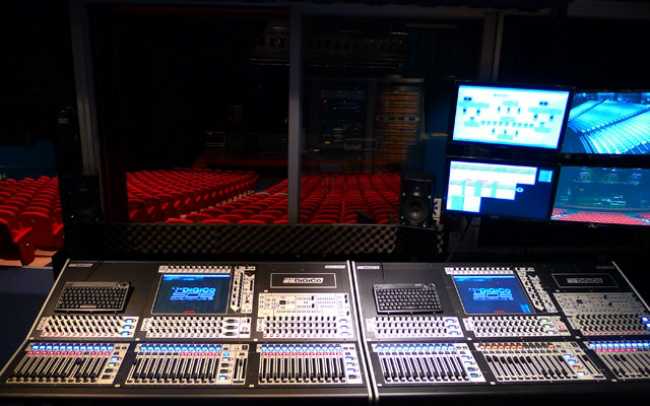
CHINA: Celebrating its 30th anniversary this year, the Ko Shan Theatre was initially designed as a 3,000-seat semi-open air theatre. Because of the semi-open design, the former venue suffered from inclement weather and noise problems resulting in a redesigned Ko Shan Theatre reopening in October 1996. The former amphitheatre was renovated into an air-conditioned foyer block comprising a 1,031 seat theatre, rehearsal facilities, a committee room, exhibition facilities and a box office. The renovation aimed at providing better facilities for a wide range of public and private activities, which can intermix for the benefit of the community. Today, the venue regularly hosts daily performances, of which traditional Cantonese opera performances are the mainstay, although dance, music, school functions and community arts activities also fill the packed schedule.
Managed by Hong Kong’s Leisure & Cultural Services Department of the Government, the fan-shaped theatre comes with a balcony and will soon be joined by a new 600-seat auditorium in the New Wing. In addition, local suppliers are currently invited to propose a new loudspeaker system as part of the main theatre sound system upgrade, which has just received two DiGiCo SD8 consoles and a DiGiRack from Rightway Audio.
‘The Midas Heritage 2000 console has served us faithfully for many years,’ confirmed resident stage manager Tsz-yung Yeung. ‘However, we wanted to upgrade to digital for catching up with the industry trend. Apart from demonstration, we would take reference from other Government venues. The Hong Kong City Hall is used more for dramas and recently installed a DiGiCo console into its theatre, so we took a closer look at the format and were impressed with its user friendly features.’
The two SD8s that have been installed in the rear control room run in parallel in a slave-master format for redundancy. ‘I’m not sure if we are going to use pre-sets,’ continued Ms Yeung. ‘Commonly, there are limited rehearsals or sound checks prior to a performance – the sound operator makes most of the adjustments during the first scene, so it’s very hands on.’
Most of the Cantonese operatic performances consist of six main performers, four to six chorus on stage and approximately 12 musicians sat at the orchestra pit playing traditional Chinese instruments such as the erhu, , yangqin, electric ruan and lots of percussion.
‘As a result it’s tricky to get the levels right and we have to carefully concentrate on the mid highs for the vocals during these freestyle performances,’ added Ms Yeung. ‘The orchestra benefits from a Nexo PS10 foldback system, amplification for the musical instruments is necessary for a thousand seat theatre, and the characteristic strong and powerful percussion of Cantonese Opera in Hong Kong brings up the complexity of mixing the amplified and unamplified sound sources. A versatile mixing console is a must.’
Two stage boxes receive wireless and wired microphone inputs from the performers and musicians respectively, which are then routed to the DigiRack via Optocore fibre links. The remarkable work of Rightway Audio in integrating the DiGiCo SD8 consoles into the theatre sound system raises performances in the Ko Shan Theatre to the next level.