
Sennheiser highlights importance of spectrum allocation
Published: MEA
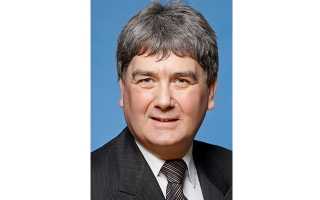
UAE: Sennheiser has been working to raise awareness about the importance of spectrum allocation for wireless Programme Making and Special Events (PMSE) devices. The company recently delivered a presentation on potential impact of reduced operational bandwidth on the events and entertainment industry in the Middle East at Cabsat and is also engaging with the Telecommunications Regulatory Authority (TRA) of the UAE in order to evaluate solutions.
Norbert Hilbich, head of application engineering global sales for Sennheiser Group believes that non-provisioning of spectrum for PMSE devices could adversely affect the flourishing culture and creative industry which is a significant contributor to the regional economy. ‘The addition of new services such as 4G mobile and digital television broadcast means that the frequency range over which PMSE can be operated is shrinking. Sennheiser is striving to create regional awareness about this,’ he explained. ‘PMSE is essential to smooth operation and production of all live events and simply put, without proper planning and provisioning put into the spectrum allocation for these devices, the impact on the events and entertainment industry is likely to be damaging and far reaching.’
Currently, in most countries across the Middle East, wireless PMSE devices are operated in the Ultra High Frequency (UHF) band. This includes the range of frequencies from 470 to 862MHz and is used for digital and analogue television distribution in addition to PMSE. However, as new technologies emerge, this spectrum continues to shrink. The allocation of spectrum for 4G mobile broadband services has meant shrinking of the higher end of the UHF spectrum. Mr Hilbich explains that as less and less bandwidth becomes available for PMSE, the production and coverage of events will become a major challenge.
PMSE is widely employed for the production and coverage of live events in the region. For example, during the Formula 1 race at Yas Marina Circuit in Abu Dhabi, more than 550 wireless links were in operation. Away from live events, there are numerous other PMSE applications, such as wireless audio and video systems in universities, conferencing facilities in hotels and training centres within most companies. Without sufficient spectrum availability all of these applications would stand to suffer.
Regulatory authorities across the region are beginning to take note and are exploring means to address the challenges. ‘We have had a number of discussions with Sennheiser and have identified a couple of solutions to this challenge,’ said Muhammad Imran Gill, senior engineer broadcasting services at the UAE’s TRA. ‘We are aware of the importance of being proactive rather than reactive in this and are hopeful that within the next two years we will have the migration of the bandwidth for PMSE in order to better accommodate these devices.’